Spider Embroidery for Boutique Apparel
As an embroidery designer who has spent years curating collections for small clothing brands and boutique shops, I approach every new machine embroidery design with a critical eye. When I discovered the Spider Embroidery pattern on Creative Fabrica, my immediate thought was not just about the visual appeal of a bug motif, but how it would translate into a cohesive product line for the upcoming season. For those of us running handmade businesses or Etsy shops, finding a digital embroidery file that balances whimsy with professional finish is often the difference between a one-off craft item and a sellable brand asset.
First Impressions: Visual Mood and Design Strength
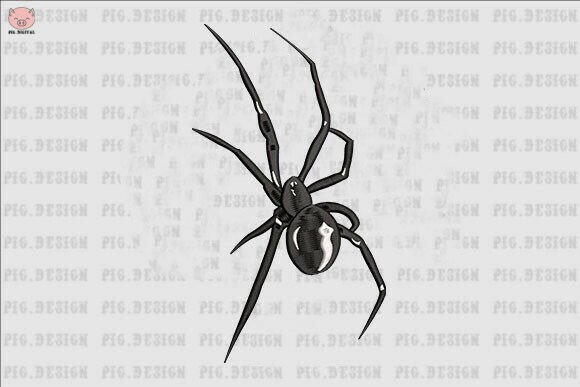
The first thing that strikes you about Spider Embroidery is its distinct visual personality. Unlike many generic designs in the Bugs category that can feel cluttered or overly cartoonish, this design carries a sophisticated edge. It feels less like a children's toy and more like a trendy, edgy accent suitable for modern streetwear or cozy fall collections. The stitching mood suggests a blend of playful minimalism and bold statement-making. When I visualize this on a garment, it immediately evokes a sense of curated style rather than a random decoration.
For a boutique brand looking to elevate its identity, the decorative strength of this piece is significant. It offers enough detail to look premium under close inspection but remains clean enough to maintain clarity when stitched on textured fabrics. Whether aiming for a cute, feminine aesthetic on pastel hoodies or a rustic, gothic vibe on dark apparel, the design adapts well to various color palettes. This versatility makes it a strong candidate for custom apparel lines where visual consistency is key to building buyer trust.
Applying Spider Embroidery to Sweatshirts and Hoodies
When planning a small sweatshirt collection, placement is everything. I envision using Spider Embroidery as a chest accent on neutral-colored crewnecks. On a heather grey or oatmeal sweatshirt, the contrast of the thread colors will pop without overwhelming the fabric texture. The design works exceptionally well for sweatshirt embroidery because its shape allows for strategic positioning. A small version on the left chest creates a subtle logo effect, perfect for branding a boutique brand, while a larger iteration on the back of a hoodie serves as a dramatic focal point.
Consider the trend of oversized garments. On an oversized hoodie, placing the spider design slightly off-center on the sleeve or near the shoulder seam adds a dynamic, deconstructed feel. This type of hoodie design appeals to the current market for unique, Instagram-worthy fashion. For lifestyle product photos, the way the threads catch the light against the fleece material adds depth and dimension, making the finished product look expensive and high-quality. Even on denim jackets, this Embroidery design provides a sharp, contrasting element that breaks up the heavy texture of the denim.
Navigating Fabric Challenges and Technical Considerations
While the design is versatile, experienced decorators know that success depends on technical execution. Spider Embroidery requires careful consideration regarding stitch density and stabilizer choice. If you plan to use this on stretchy fabrics like ribbed cuffs or high-stretch jersey, you must test the design on scrap fabric first. Dense stitch areas can cause puckering on thin materials, so adjusting the tension or using a cutaway stabilizer might be necessary to ensure the design lays flat.
For darker garments, the background fill of the spider needs to be robust enough to hide the black or navy fabric underneath. I recommend reviewing the thread color contrast before committing to production. If the design includes tiny lettering or fine legs, verify that your machine can handle the intricacy without breaking needles or tangling threads. Always confirm the hoop size requirements listed in the product details to ensure your machine can accommodate the full design without distorting the shape. Curved surfaces, such as the neckline of a t-shirt or the side of a tote bag, also require extra care; the design may need to be rotated or scaled to follow the natural drape of the fabric.
Boosting Brand Value and Commercial Potential
Incorporating a well-chosen machine embroidery design like this one significantly affects the perceived value of your handmade product. Customers browsing Etsy listings or visiting a physical boutique are drawn to items that show attention to detail. A professionally executed spider motif signals quality craftsmanship, which directly influences customer engagement and brand recognition. It transforms a basic t-shirt or tote bag into a collectible piece of art.
For the Etsy seller or digital entrepreneur, this design opens doors for diverse product offerings. You can create printable mockups showcasing the design on various backgrounds to build anticipation before production. Using Creative Fabrica embroidery files allows for rapid prototyping, enabling you to test different colorways and placements quickly. Whether you are creating a limited-edition drop or expanding your regular catalog, having a reliable commercial embroidery asset streamlines your workflow and ensures visual consistency across your shop.
Practical Designer Notes for Production
- Test First: Always run a test on similar garment fabric to check for puckering or thread breakage.
- Stabilizer Matters: Use a heavy-duty stabilizer for fleece and thick sweatshirts to support the weight of the stitches.
- Color Strategy: Select thread colors that complement your brand palette while ensuring sufficient contrast against the base fabric.
- Licensing Check: Before selling finished apparel, review the specific licensing terms provided by Creative Fabrica to ensure commercial use is permitted for your business model.
- Placement Variety: Experiment with sleeve accents, pocket patches, and back prints to maximize the utility of the single embroidery file.
Ultimately, Spider Embroidery is more than just a pattern; it is a tool for storytelling through textiles. By understanding its strengths and limitations, you can integrate it seamlessly into your next collection. Whether you are a seasoned decorator or a creative entrepreneur just starting out, this design offers the perfect balance of charm and professionalism to help your small shop product stand out in a crowded marketplace. Remember to always double-check the file specifications and compatibility with your equipment to ensure a flawless finish every time.