FSL Ornament Embroidery Design Review
As an experienced embroidery designer who has spent countless weekends setting up booths at local craft fairs and managing a bustling handmade shop, I know that the difference between a sold-out table and a quiet one often comes down to the quality of the machine embroidery design you choose. Today, I am putting the FSL Ornament Embroidery Design through its paces. This is not just a technical check; it is a real-world evaluation of how this digital asset translates into tangible products that customers want to buy. If you are an Etsy seller, a boutique maker, or a creative entrepreneur looking to expand your inventory with high-value items, understanding the practical application of this file is essential.
First Impressions: A Versatile Digital Asset
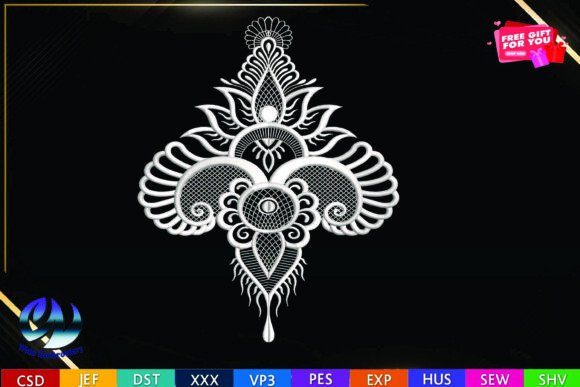
When I first opened the FSL Ornament Embroidery Design, my immediate reaction was one of cautious optimism. The title suggests a Free Standing Lace (FSL) approach, which inherently signals a premium, delicate, and decorative aesthetic. In the world of handmade goods, FSL designs stand out because they lack a fabric backing, creating a unique texture that feels light and airy. Whether the motif leans towards a farmhouse style, a modern minimal look, or a festive theme, the FSL technique elevates the perceived value of the finished product instantly. For a craft fair product, visual impact is everything, and this design promises to catch the eye from across the aisle.
The description notes that this is available in 10 formats, which is a massive plus for the busy digital seller. Having multiple embroidery file formats ensures compatibility with various machines, from home hobbyists to commercial setups. However, the prompt warning that you "MUST have an embroidery machine and the software needed" is a critical reminder. This is not a printable PDF; it is a tool for production. As we prepare our booth displays, we must ensure our workflow supports these specific requirements to avoid last-minute headaches.
Product Potential: Where Does It Shine?
Imagine walking up to my craft fair table. The display features a mix of tote bags, aprons, tea towels, caps, small pouches, pillow covers, and giftable handmade items. Where does the FSL Ornament Embroidery Design fit best? Let's break down the application.
Tote Bags and Market Goods
For a tote bag design, an FSL ornament can serve as a stunning focal point. Unlike standard applique which adds bulk, FSL sits flat and offers intricate detail. Stitching this onto a sturdy canvas tote creates a high-end look that justifies a higher price point. Customers browsing for a small shop product often gravitate toward items that feel unique. A plain tote is common; a tote featuring a delicate, lace-like FSL ornament is a conversation starter. The contrast between the rough canvas and the fine thread work highlights the craftsmanship.
Kitchen Textiles: Aprons and Tea Towels
In the kitchen category, apron embroidery and tea towel embroidery are perennial favorites. An FSL design works exceptionally well here if placed strategically. On a linen apron, a centered FSL ornament looks elegant and professional. On a cotton tea towel, the open nature of the lace allows the fabric color to show through, adding depth without overwhelming the item. These items photograph beautifully for Etsy listings, making them perfect for online sales as well as in-person transactions.
Patches and Caps
One of the most versatile uses mentioned in the product description is the potential for an embroidered patch. Because FSL is self-supporting, it creates a durable patch that can be sewn or ironed onto denim jackets, backpacks, or hats. For caps, however, we must be careful. The curved surface of a cap can distort complex FSL patterns if the hoop size isn't managed correctly. Still, as a decorative element on the side of a cap, it adds a touch of luxury that mass-market headwear lacks.
Pillow Covers and Quilt Blocks
The description also mentions quilt blocks. Using the FSL Ornament Embroidery Design as a central medallion in a quilt block or on a throw pillow cover can transform a simple sewing project into a heirloom-quality piece. The dimensional aspect of the lace adds tactile interest, encouraging customers to reach out and touch the product—a key psychological trigger for sales at a market.
Production Realities and Practical Considerations
While the design looks promising, a professional review requires us to look at the nitty-gritty of production. Is this design repeatable for batch production? Can it be executed quickly enough to keep up with demand?
Stitch Density and Clarity
FSL designs rely heavily on precise stitch density. If the design is too dense, the webbing might tear during hooping or washing. If it is too sparse, it may not hold its shape. Before committing to a full run of commercial embroidery products, I always test the design on scrap fabric. Check for tiny details or small lettering that might get lost when stitched. In FSL, every stitch counts, and gaps can ruin the illusion of lace.
Fabric Texture and Stabilizer Choice
The success of this design hinges on the right stabilizer. Since there is no fabric backing, the water-soluble or cut-away stabilizer acts as the skeleton. For textured fabrics like terry cloth tea towels or thick denim, the needle must penetrate cleanly. I recommend using a high-quality, heavy-duty stabilizer specifically designed for FSL. Also, consider the fabric texture of your base material. Dark fabrics can sometimes make the intricate details of a white FSL design harder to see unless the thread colors provide high contrast.
Hoop Size and Placement
Confirm the hoop size required before you start. Some FSL ornaments are large and require a 6x10 hoop, while others might fit in a 4x4. If you are stitching this on a pre-made item like a tote bag or a pillow cover, ensure the hoop fits comfortably without distorting the surrounding fabric. Distorted stitching leads to puckering, which kills the premium feel of the finished product.
Maximizing Visual Appeal and Sales
To make the FSL Ornament Embroidery Design a star performer at your booth, focus on presentation. Create at least one real mockup for each product type. Photograph the items in natural light to capture the sheen of the thread and the intricacy of the lace. Use printable mockups for your online store to give customers a clear idea of how the design looks on different backgrounds.
Color coordination is key. Select thread colors that complement your brand identity. If you sell rustic, earthy tones, use creams and browns. For a modern boutique, stick to monochromatic schemes or bold accents. Consistency in your design assets helps build brand recognition. When a customer sees your logo applique or FSL ornament on a bag, then on a hat, they begin to associate that specific style with your brand quality.
Final Designer Notes for Success
Before you purchase or produce, verify the licensing terms. Ensure you have the right to sell the finished products commercially. Not all digital files come with a commercial license, and selling unauthorized items can lead to serious issues for your business. Additionally, always double-check the file formats against your machine's capabilities. While 10 formats are included, your specific software needs to read them correctly.
In conclusion, the FSL Ornament Embroidery Design offers a fantastic opportunity for craft fair sellers and handmade business owners to elevate their product line. Its ability to add a touch of elegance to everyday items like clothes, bags, and quilts makes it a strong contender for a weekend market. By paying attention to stabilizer choice, testing on scrap fabric, and presenting the items beautifully, you can turn this digital file into a profitable reality. Whether you are stitching a single custom order or producing a batch of Clothing accessories, this design has the potential to become a signature piece in your collection.