Border Cross Stitch Embroidery Patterns Review
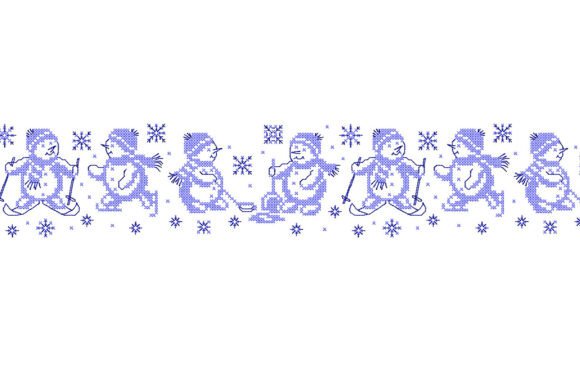
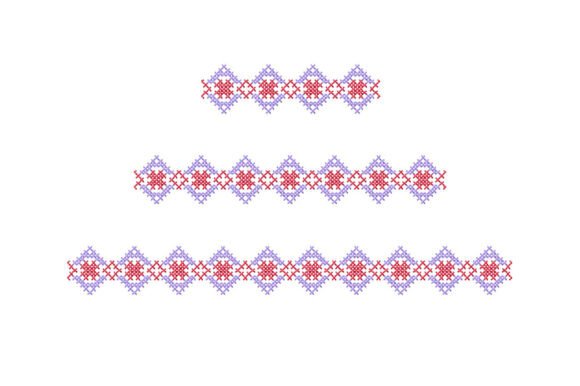
As a designer who has spent years navigating the delicate balance between artistic vision and commercial viability, I approach every new machine embroidery design with a critical eye. When I first encountered the Border Cross Stitch Embroidery Patterns, my initial reaction was one of immediate appreciation for its cultural depth. These designs are not merely decorative lines; they are a digital translation of the opulent tapestry of Ukrainian folk heritage. Rendered from the timeless aesthetics of the Ukrainian vishivanka border, this trio of patterns offers a rich visual personality that stands out in a crowded market of generic floral or geometric motifs.
The First Impression: Heritage Meets Modern Craft
The mood these patterns establish is instantly recognizable. There is a sense of history and tradition woven into the pixel structure, yet the execution feels fresh enough for contemporary applications. The layout is rhythmic, designed to guide the eye along an edge without overwhelming the central space of a garment or home good. For anyone looking to add a touch of authentic ethnic flair to their portfolio, this set provides a strong foundation. However, as a professional reviewer, I always ask myself: how does this translate from the screen to the hoop? Does the intricate detail hold up when stitched on real fabric?
In the context of a craft business or an Etsy shop, having unique assets like these is crucial. Most sellers rely on overused clip art, but these Border Cross Stitch Embroidery Patterns offer a distinct narrative. They suggest quality, care, and a connection to global traditions. Whether you are creating a handmade product for a boutique or preparing a personalized gift for a friend, the visual weight of these borders adds significant value to the finished piece.
Real-World Application: From Tote Bags to Apparel
To truly evaluate the utility of these designs, I visualized them in a specific project scenario: a custom embroidered tote bag intended for a local craft fair. Imagine a sturdy canvas tote, perhaps in a natural oatmeal color. Placing one of these Border Cross Stitch Embroidery Patterns along the top hem creates an instant frame that elevates a simple bag into a statement piece. The cross-stitch aesthetic mimics the look of hand-worked needlepoint, which is currently highly sought after by consumers looking for "slow fashion" items.
I also considered using these patterns for custom apparel, specifically on the cuffs of a sweatshirt or the neckline of a t-shirt. The linear nature of the design makes it perfect for framing. On a sweatshirt embroidery project, the border could run down the sleeve, adding a subtle yet sophisticated detail that doesn't compete with a larger chest logo. For baby embroidery, such as a receiving blanket or a onesie, the softer, more organic feel of the Ukrainian motifs works beautifully, offering a gentle introduction to folk art for the youngest members of our community.
For the Etsy seller or small shop owner, versatility is key. These patterns can be adapted for various products, including pillow covers, tea towels, and even embroidered patches. If you were creating a line of holiday gifts, the traditional roots of the design make it suitable for winter decor or festive table runners. The ability to use the same digital embroidery file across multiple product categories increases your return on investment and streamlines your production workflow.
Navigating Challenges: Fabric, Density, and Hoop Size
While the potential is high, practical application requires careful consideration of technical constraints. One area where designers must exercise caution is with stitch density. Because these patterns mimic the look of cross stitch, they can sometimes appear dense if not properly digitized or if the thread colors are too similar to the background. I strongly advise testing the design on scrap fabric first to ensure the stitches do not bunch up, which could lead to puckering, especially on thinner materials.
Fabric choice is another critical factor. While these Border Cross Stitch Embroidery Patterns shine on medium-weight fabrics like linen or cotton canvas, they may struggle on very stretchy or textured fabrics. On a knit jersey, the tension required for a crisp cross-stitch look might distort the pattern. Similarly, on dark fabrics, you will need to carefully select thread colors to maintain visibility. A white or light-colored border on a black shirt would pop, but a muted earth tone might get lost without a backing stabilizer.
Hoop size is also a variable to manage. Since these are border designs, they often require a long, narrow hoop or a wide rectangular hoop to capture the full length of the motif without breaking the pattern's flow. If you are working with a standard square hoop, you may need to stitch the border in segments, which requires precise registration to ensure the pattern aligns seamlessly. Always check the dimensions of the embroidery file against your machine's capabilities before starting a client project.
Design Integrity and Commercial Viability
When selling finished goods, the perceived quality of the embroidery directly impacts customer trust. A well-executed border suggests attention to detail. Conversely, a sloppy stitch job can ruin an otherwise beautiful garment. Using Border Cross Stitch Embroidery Patterns allows you to create a cohesive brand identity. If your shop focuses on heritage-inspired goods, these designs reinforce that message visually. They work exceptionally well in printable mockups to showcase potential customers what the final product will look like, increasing engagement and conversion rates.
However, before integrating these designs into your commercial inventory, you must confirm the licensing terms. As a creative entrepreneur, understanding whether you can sell the physical item, the digital file, or both is non-negotiable. Ensure that the license allows for commercial embroidery projects so you can confidently list your items without legal risk. This due diligence protects your business and maintains your reputation as a professional maker.
Practical Designer Notes for Success
- Test on Scrap Fabric: Always run a test stitch to check for tension issues and color contrast before committing to expensive material.
- Stabilizer Selection: Use a tear-away or cut-away stabilizer appropriate for the fabric weight to prevent shifting during stitching.
- Color Strategy: Compare light and dark fabric backgrounds to determine the best thread colors for maximum impact.
- Mockup Verification: Test the design in black and white mockups to see if the details remain clear without color enhancement.
- Licensing Check: Verify that the license permits the sale of finished products containing the design.
- Detail Inspection: Inspect small details under magnification to ensure no tiny stitches are missed or broken.
In conclusion, the Border Cross Stitch Embroidery Patterns represent a valuable addition to any designer's toolkit. They bridge the gap between traditional craftsmanship and modern digital convenience. By respecting the technical requirements of the medium and applying these patterns thoughtfully, you can create stunning, high-value products that resonate with customers seeking authenticity and beauty. Whether for a personal project or a thriving small shop product line, these designs offer a timeless appeal that transcends fleeting trends.